
From Garden Bed to Pizza Oven: How Students at Gilson College Are Learning the Full Food Story

Connecting students to the full story of food
There’s a moment in every great hospitality lesson when a student stops following instructions and starts genuinely engaging with food. At Gilson College, that moment is happening in the kitchen garden, and it’s changing how Year 9 students see their futures.
IVET’s Hospitality Taster Program leads to the SIT20322 Certificate II in Hospitality, and Gilson College is giving students a hands-on experience that goes well beyond basic cookery skills. It’s connecting them to the full story of food: from garden to oven.
Pizza from scratch
A recent session delivered by Hospitality Trainer Sharyn Brown offered a window into what cookery learning can look like at its best.
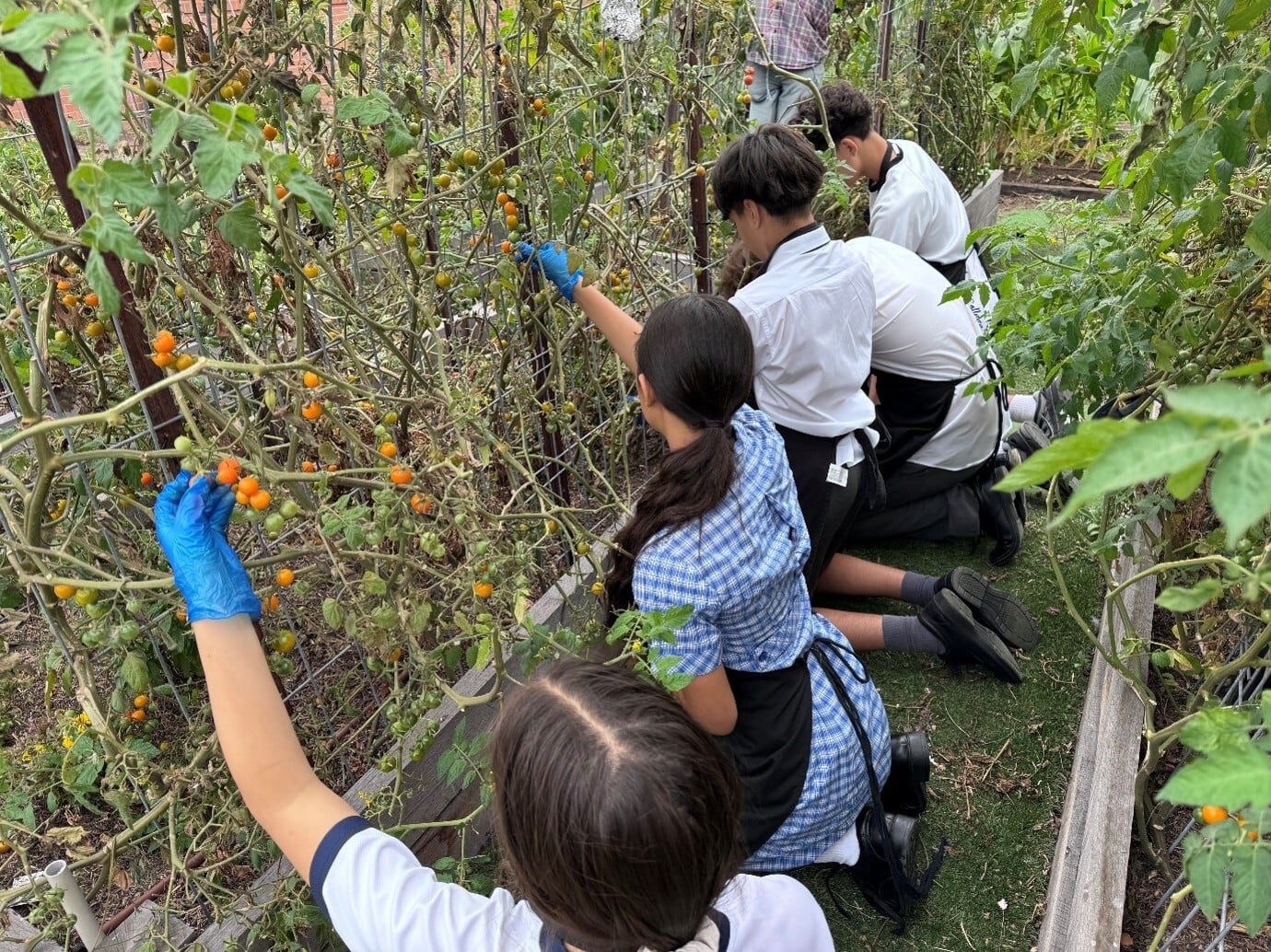
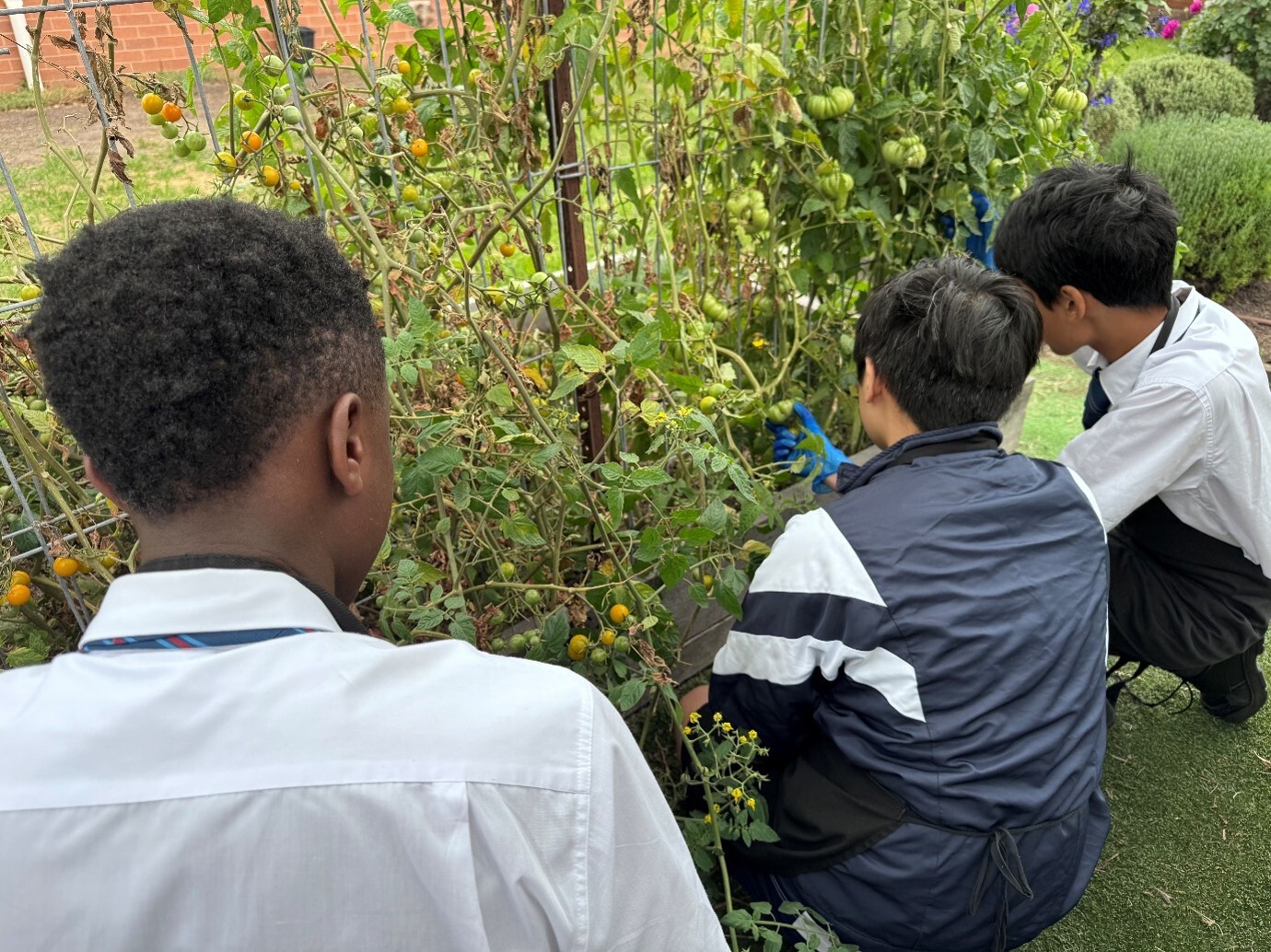
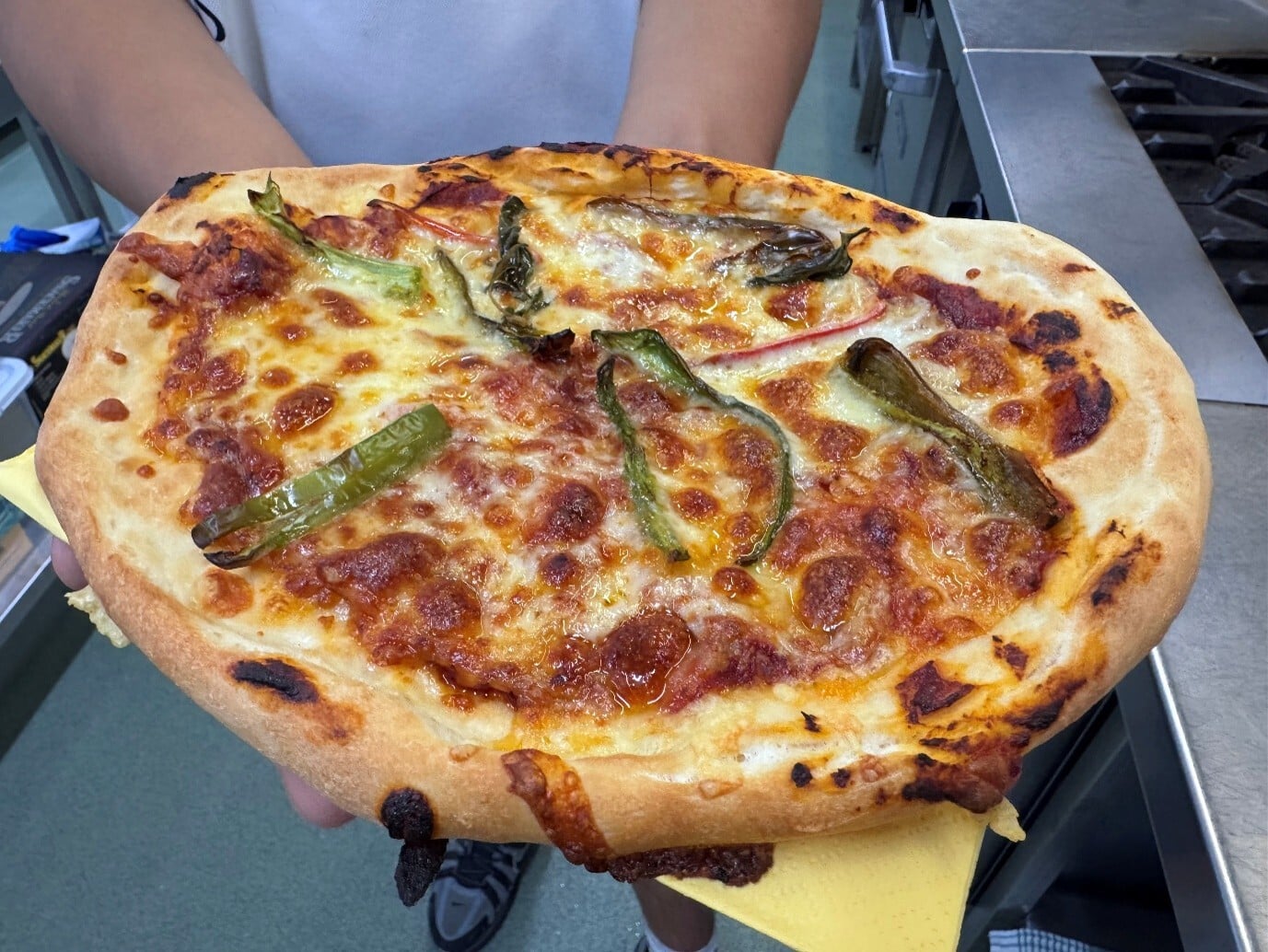
Students began by making pizza dough and leaving it to prove, building an understanding of fermentation and timing that underpins much of cookery. After cleaning down their workstations, they moved outside to the school’s kitchen garden to harvest tomatoes, shallots, capsicum and zucchini.
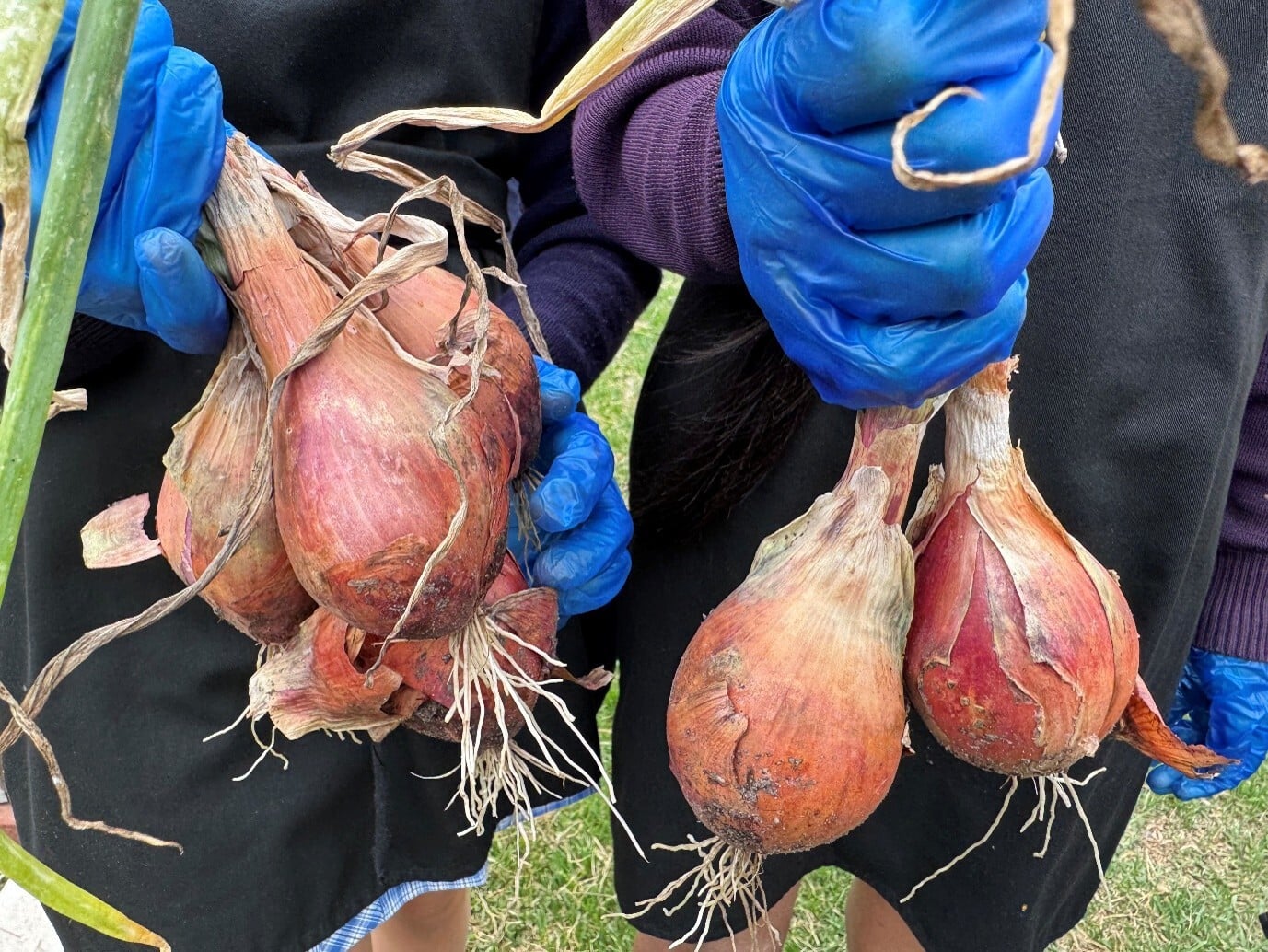
Returning to the kitchen, students washed their hands, prepared their produce using correct knife techniques, and topped their individual pizzas. The pizzas went into the oven, and students waited to see the result of everything they’d grown, harvested and prepared.
It’s a session that quietly covers food safety, hygiene, knife skills, food production and teamwork, all within the context of something students genuinely want to eat.
When food production clicks, curiosity follows
“When they get their heads around the whole food production concept and how it brings together their kitchen experiences, they really enjoy it. They eagerly come to class to see what else I have been picking and what they will be making.”
Sharyn Brown, Hospitality Trainer, Gilson CollegeSharyn’s observation points to something important in VETDSS delivery: engagement through understanding. When students can see the connection between growing, preparing, preserving and presenting food, the subject stops feeling like a school subject and starts feeling like a real skill set.
Food preservation is another thread woven through the program. Whether it’s understanding how to store produce correctly or exploring broader preservation techniques, these concepts expand students’ sense of what a career in hospitality can involve. The industry is wide: restaurants, hotels, catering, cafes, clubs, cruise ships. The SIT20322 Certificate II in Hospitality opens the door to all of it.
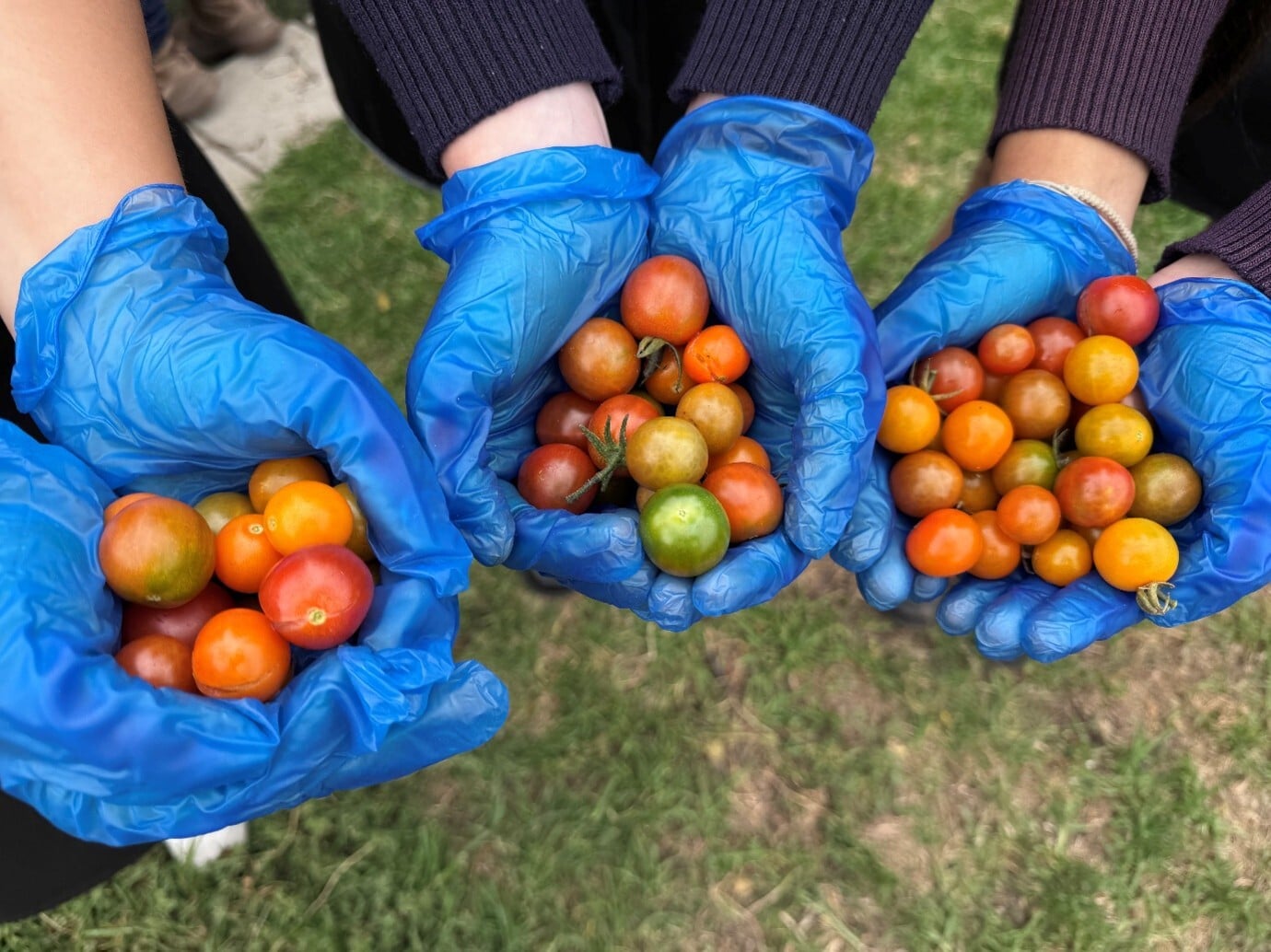
Everything on the pizzas came out of the school garden that morning.
Spreading the benefits across the school
One of the most community-minded aspects of the Gilson College program is what happens to the produce after the Taster class is done with it. Rather than the harvest stopping at Year 9, it’s being shared with junior food students for use in their own practical sessions.
This cross-year contribution is a natural extension of the vocational values embedded in training: minimising waste, contributing to a team, and taking pride in what you produce. It also sends a quiet but meaningful message to Taster students: what you’re learning has real value, right now, for others.
A qualification that opens the whole industry
The SIT20322 Certificate II in Hospitality reflects the skills required by individuals working in hospitality settings, including restaurants, cafes, international hotels, clubs, pubs and catering operations. For secondary students, it’s an entry point into an industry that employs people across the world.
For students at Gilson College, it’s also becoming something else: a genuine shift in how they see themselves and what might be possible after school.
“The whole world of hospitality is bigger than they think, and it is increasing their curiosity to know more and how they could slot into something for a career.”
Sharyn Brown, Hospitality Trainer, Gilson CollegeThat kind of curiosity is exactly what VETDSS is designed to spark.
What other trainers can take from this
Integrate the production chain where possible. A kitchen garden doesn’t need to be elaborate to be effective. Even small-scale growing experiences help students understand where food comes from and build investment in the cooking that follows.
Use food preservation as a career conversation starter. Preservation skills are industry-relevant and genuinely useful, and they naturally prompt discussions about the scope of hospitality as a career.
Find ways for students to contribute to the wider school community. Sharing produce or prepared food with other classes gives students a sense of purpose that extends beyond assessment, and reinforces ownership: one of the core values of effective vocational education.
Want to bring hospitality learning like this to your school?
IVET works with schools across Australia to deliver hands-on VETDSS hospitality and cookery programs. Talk to our team about what is possible.